What is a toroidal core? Advantages, types and how to choose
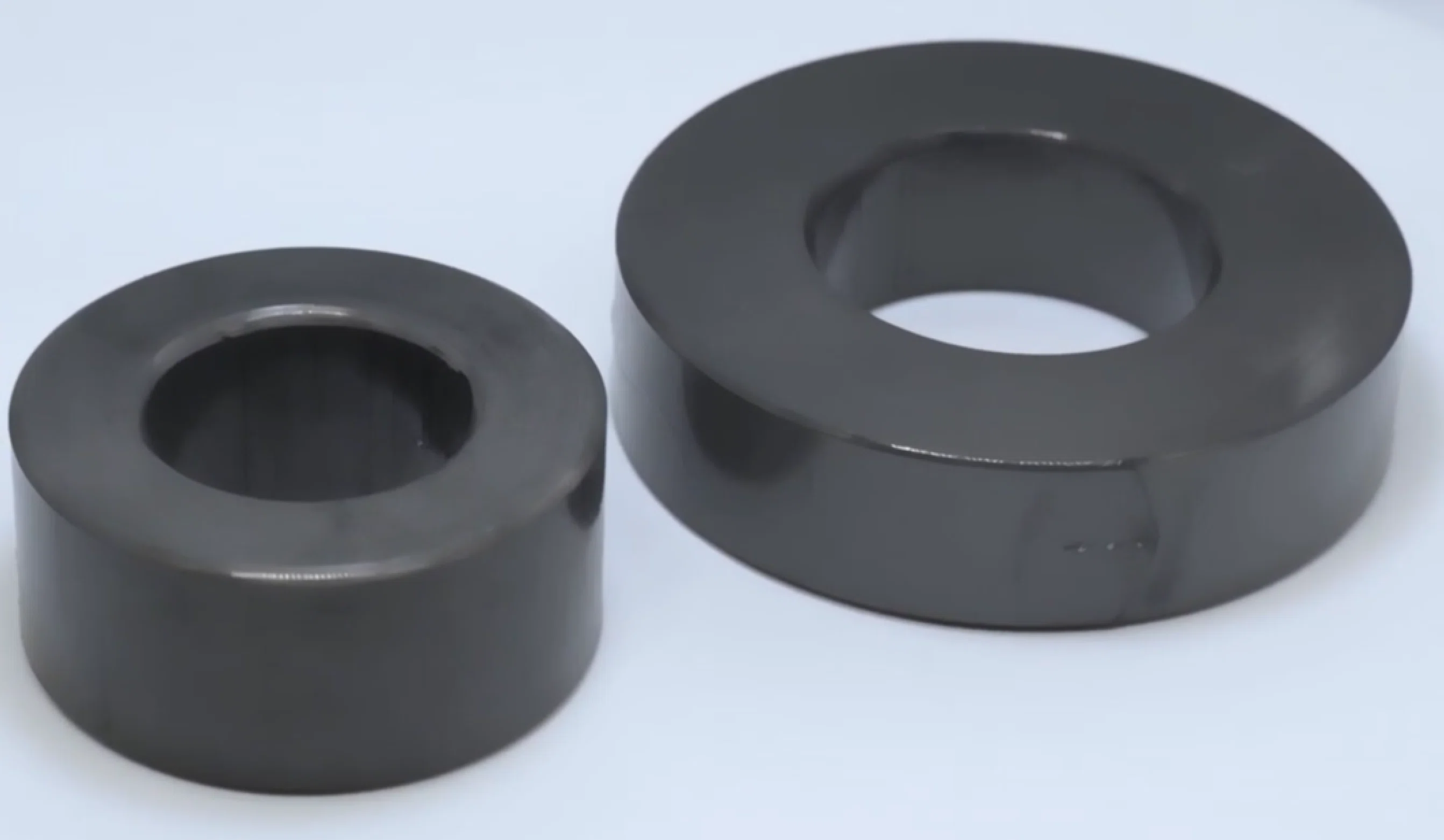
A toroidal core is a ring-shaped magnetic core made by winding thin strip (silicon steel, nanocrystalline or amorphous) into a closed loop. Because the magnetic path has no joints, flux leakage and audible noise are lower than in laminated cores, and the same inductance can be reached with fewer turns.
How a toroidal core is made
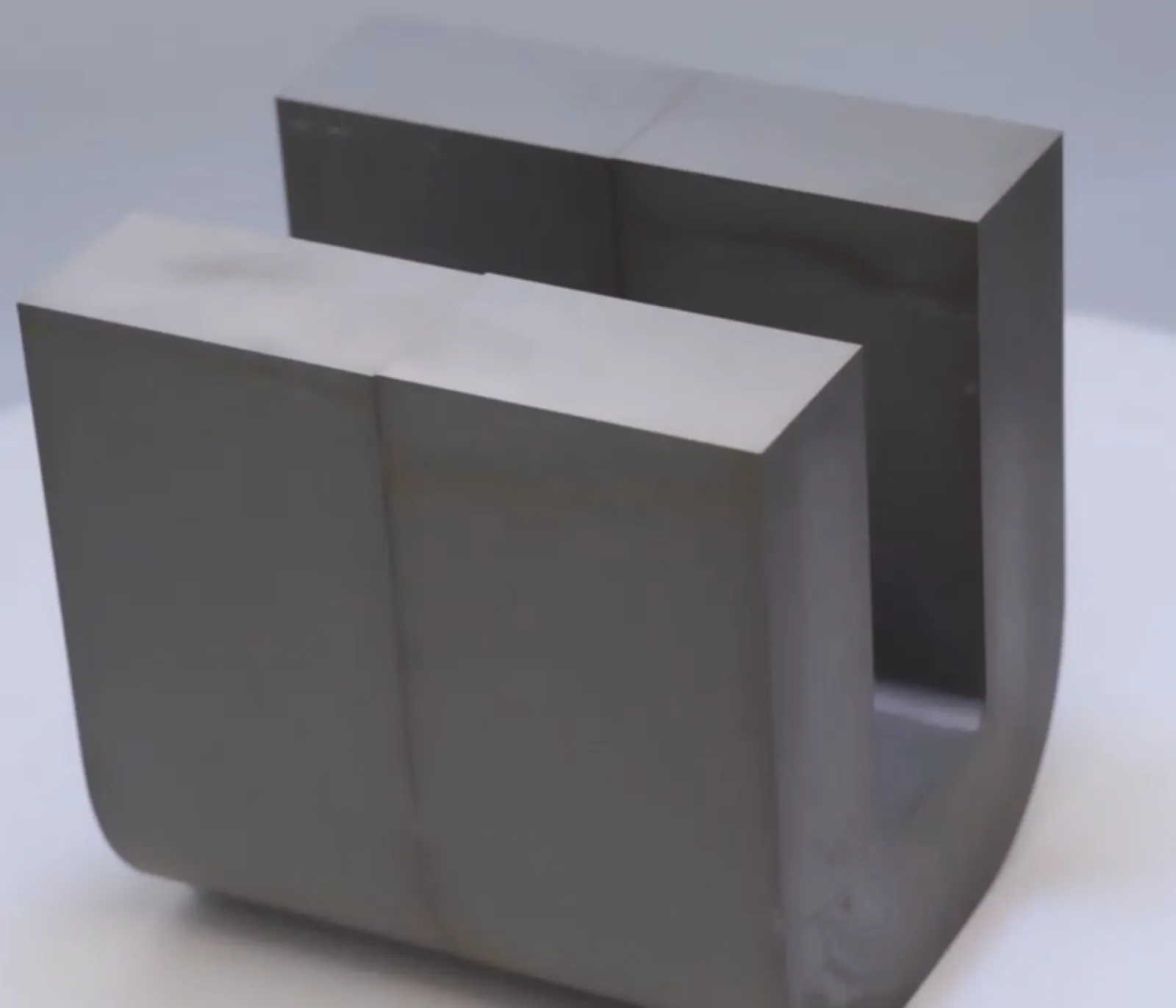
Strip is wound on a mandrel to the required OD, ID and height, then impregnated or coated. For cut cores the ring is sawn through, ground and annealed so a coil can be slipped on.
Where toroidal cores are used
Instrument and current transformers, residual current devices, smart meters, common-mode chokes, inverter welders and audio transformers — anywhere low leakage and compact size matter.
Advantages vs laminated cores
No air gap in the magnetic path: lower magnetising current and lower no-load loss.
Lower stray field: less interference and lower audible noise.
Compact: fewer turns, shorter mean length per turn, lower copper loss.
Coatings give predictable insulation for automated winding.
Limitations to plan for
Winding is slower than on bobbin cores, so labour cost per piece is higher.
Large toroids need special winding machines.
Cut cores introduce a small gap, which changes inductance — specify the target value.
How to specify
Give OD, ID, height (or core cross-section Ae), material and thickness, coating, inductance or turns, and quantity. If you only know the electrical requirement, we can size the core for you.
FAQ
Are toroidal cores better than EI cores?
For low leakage and compact size yes; for low-cost high-volume production EI laminated cores can be cheaper because winding is automated.
Can I wind a toroidal core by hand?
Small quantities can be hand-wound with a shuttle; production usually uses toroid winding machines for consistency.